
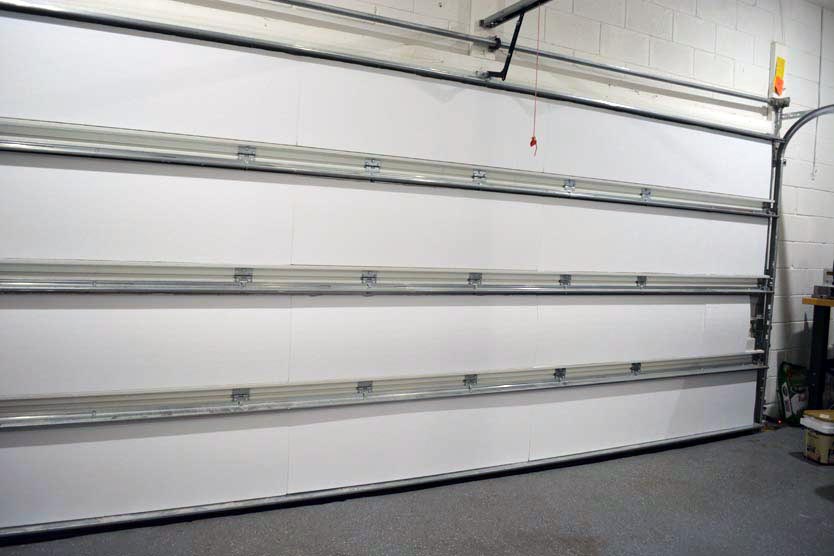
- 40mm bonded polyurethane core
- Thermal break at every section joint
- Full perimeter seals, all four edges
An insulated door is worth having when the garage is part of the house rather than a shed at the end of the drive. On a great many Sandton properties the garage sits under a bedroom, opens directly into the kitchen or scullery, or doubles as a laundry, gym or store. In all of those the difference an insulated door makes is noise and comfort, and it is noticeable.
What an insulated garage door changes
- Noise. A double-skinned door is markedly quieter in operation, which is the reason most Sandton cluster and townhouse owners choose one.
- Temperature. The garage stops being an oven in February and a fridge in July, which matters if it is used as a room.
- Rigidity. A double-skinned panel is stiffer and resists denting better than a single skin.
- Condensation. Less cold surface means less moisture on stored items.
When an insulated garage door is not worth it
A detached garage on a large stand that holds a car and a lawnmower does not need insulation, and we will say so. The premium is real and on that garage it buys you very little. We would rather put the difference into the operator or a better finish.
Weight and specification of insulated garage doors
Insulated doors are heavier than single-skin doors of the same size. The springs must be rated for the finished door and the operator sized to it. Fitting an insulated door onto the existing motor is the most common cause of premature operator failure we attend on upgraded Sandton doors, and it is entirely avoidable at quotation.
Seals on insulated garage doors
An insulated panel with poor perimeter sealing gives you much less than the brochure suggests. Bottom seal profiled to the slab, side and head seals correct, and the floor checked for fall across the opening. On the Sandton properties where the slab has settled, the seal is where the benefit is won or lost.
Insulated garage doors in Sandton estates
Insulated doors are available in the same profiles and finishes as standard sectionals, so an estate specification is not an obstacle. Send us the scheme rules with the enquiry and we quote to them.
Get a quote for an insulated garage door in Sandton
Free survey, itemised written quotation covering the door, springs, operator and installation, fixed price once approved, twelve-month workmanship warranty.
Common questions
About insulated garage doors
If the garage is attached to the house, has been converted into a room, or has a bedroom above it — yes, clearly. If it is a detached garage storing a car and a lawnmower, the money is better spent on a heavier gauge or better locking.
Our standard sectional door uses a 40mm section with a rigid polyurethane core bonded to both skins. Because the foam bonds rather than sits loose, the section is stiffer than a single sheet of the same weight and does not drum.
Noticeably, in both directions: the boom of the door itself and traffic noise off the street. It is often the real reason people upgrade when there is a bedroom over the garage.
Low-headroom track kits recover part of the requirement. Beyond that a sectional door will not fit, and we get part of the benefit with an insulated roll-up curtain and heavier perimeter sealing instead. Measure lintel to ceiling and send us the number.
Worth it where the garage is integral to the house, sits under a bedroom or doubles as a room, because the difference in noise and temperature is noticeable. On a detached garage holding a car and a mower it is not, and we will say so.
Related
Also worth a look
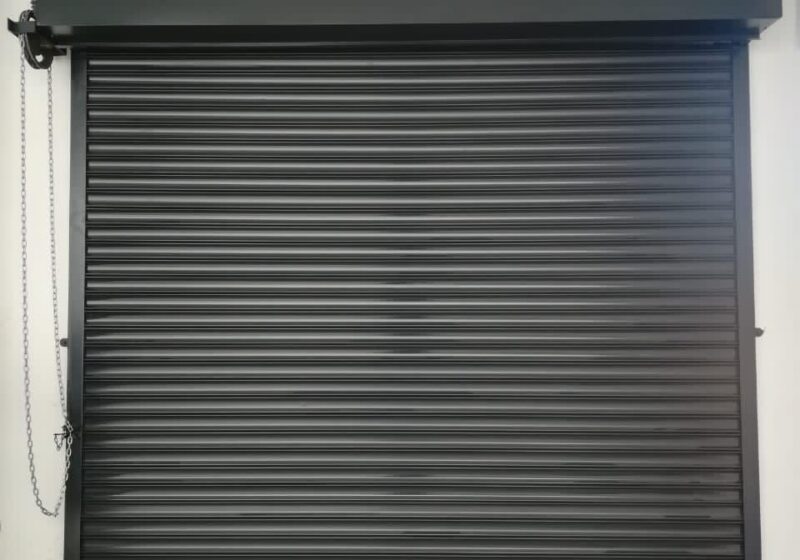
Roll-Up Garage Doors
Single, double and tandem
Roll-up garage doors curl into a drum above the opening instead of running back along the ceiling, so the garage keeps its full roof space and…
- Insulated aluminium or galvanised slat
- Openings to 5 000mm wide
- Remote and battery backup available
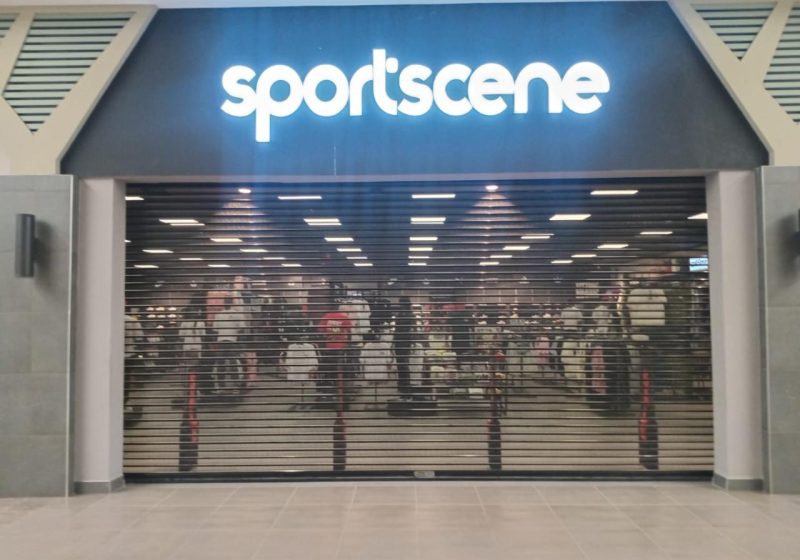
Transparent Roller Shutter Doors
Polycarbonate roller shutter doors that close an opening without closing off the light or the view. Popular for showrooms, malls and service counters.
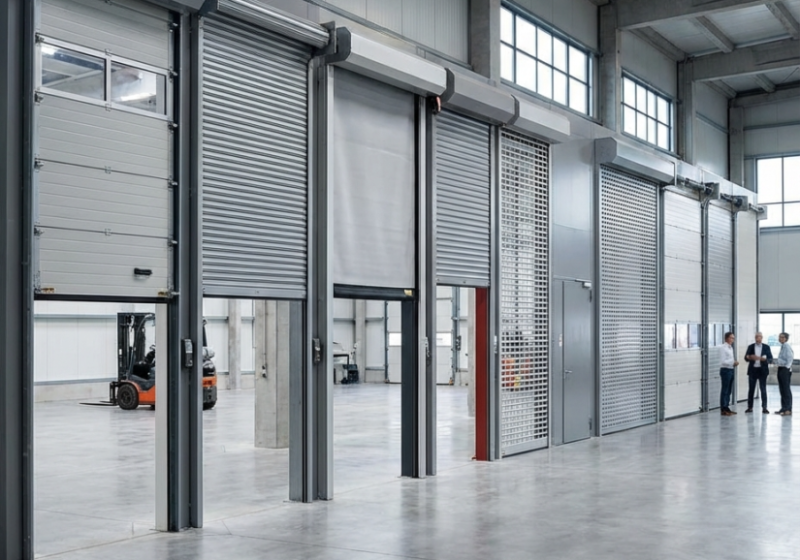
Galvanised Roller Shutter Doors
Hot-dip galvanised roller shutter doors that resist rust in coastal and washdown environments. Manufactured to your opening at our Sandton works.