
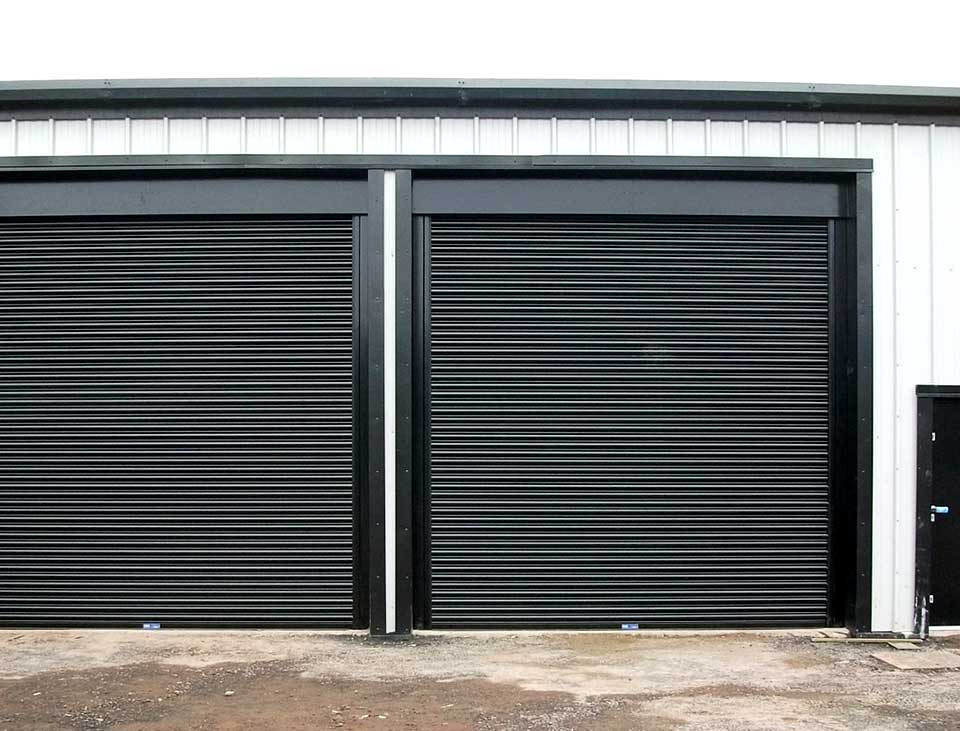
- Openings to 8 000mm wide
- 0.8mm–1.2mm galvanised slat
- Chain hoist or motorised
Industrial doors in Sandton mostly live on the light industrial belt rather than in the CBD. Kramerville, Wynberg, Marlboro and Linbro Park carry the warehousing, distribution and trade counters that keep the commercial district supplied, and the doors on them are working equipment. They are wide, cycled hard and hit by forklifts, and they are specified from duty rather than from the size of the hole in the wall.
How we build industrial roller shutter doors
- Heavy-gauge curtains chosen for the cycle count the opening actually sees, not the opening width.
- Deep guides so a knocked curtain stays in its channel instead of coming out of the guides.
- Reinforced bottom rails, because in a Sandton loading bay the bottom rail is what gets hit.
- Industrial operators with rated duty cycles and chain hoist backup, since a curtain this size cannot be moved by hand without one.
- Safety edges and photocells wherever forklifts and people share the opening.
Sizing an industrial roller shutter door to the duty
Tell us how many times a day the opening is used and what moves through it. A goods-in door at a Kramerville distribution unit doing a hundred and fifty cycles a day is a different build from a workshop bay opened a dozen times, even at identical dimensions. Specifying from size alone is why commercial doors fail early in industrial jobs.
Impact resistance in industrial roller shutter doors
Vehicle contact is not an accident on a busy bay, it is a certainty over a few years. We build so that impact damage is repairable: slats replaceable individually, bottom rails replaceable without a new curtain, guides that can be straightened or swapped. That is what keeps a door in service for its full life rather than turning one collision into a replacement.
Industrial roller shutter doors in older Sandton buildings
A lot of the Wynberg and Marlboro stock predates modern door hardware. Openings are out of square, lintels are uneven and the existing box was fitted by a company that no longer exists. We survey the structure and add steel where the lintel will not carry a large-span box, priced in the quotation rather than raised afterwards. Where the original profile is obsolete we fabricate to match.
Installing industrial roller shutter doors around production
We phase multi-bay sites so the building keeps operating, plan changeovers for a shift break or a quiet period, and bring a temporary closure so an opening is never left unsecured overnight. Induction, permits and access clearance are dealt with before the team arrives.
Servicing industrial roller shutter doors
Industrial doors earn their maintenance. We service on a schedule matched to the duty, and on multi-door Sandton sites we standardise operators over time and hold your common spares so a failure is a same-shift repair rather than a wait for a part.
Get a price for industrial roller shutter doors in Sandton
Free site survey, itemised written quotation covering the door, the operator, the installation and any steelwork, fixed once approved, with a twelve-month workmanship warranty.
Related
Also worth a look
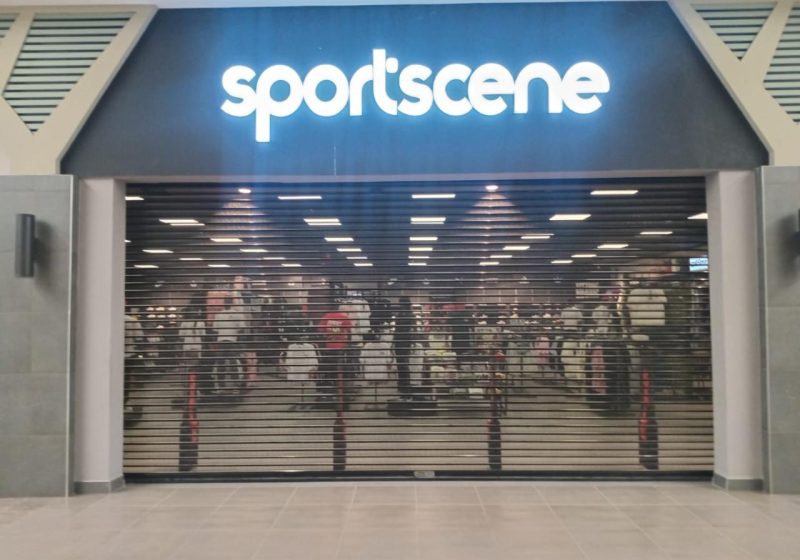
Transparent Roller Shutter Doors
Polycarbonate roller shutter doors that close an opening without closing off the light or the view. Popular for showrooms, malls and service counters.
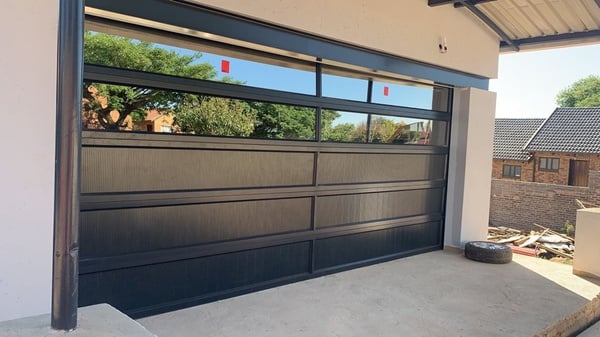
Aluminium Garage Doors
For coastal air and wide openings
Rust-free aluminium garage doors for coastal homes, wide double openings and full-view glazed designs. Powder-coated to any RAL, with stainless fixings throughout.
- Extruded aluminium, stainless fixings
- Powder-coated, anodised or woodgrain
- Sectional, tip-up or roll-up slat
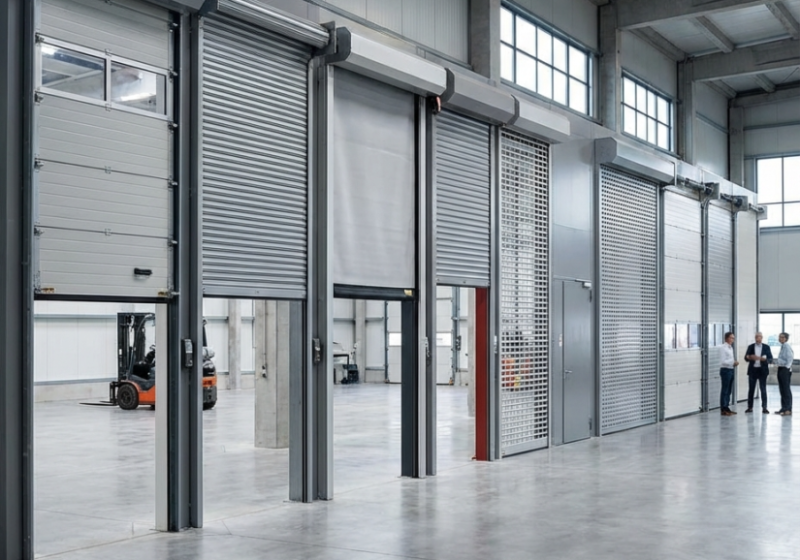
Galvanised Roller Shutter Doors
Hot-dip galvanised roller shutter doors that resist rust in coastal and washdown environments. Manufactured to your opening at our Sandton works.