
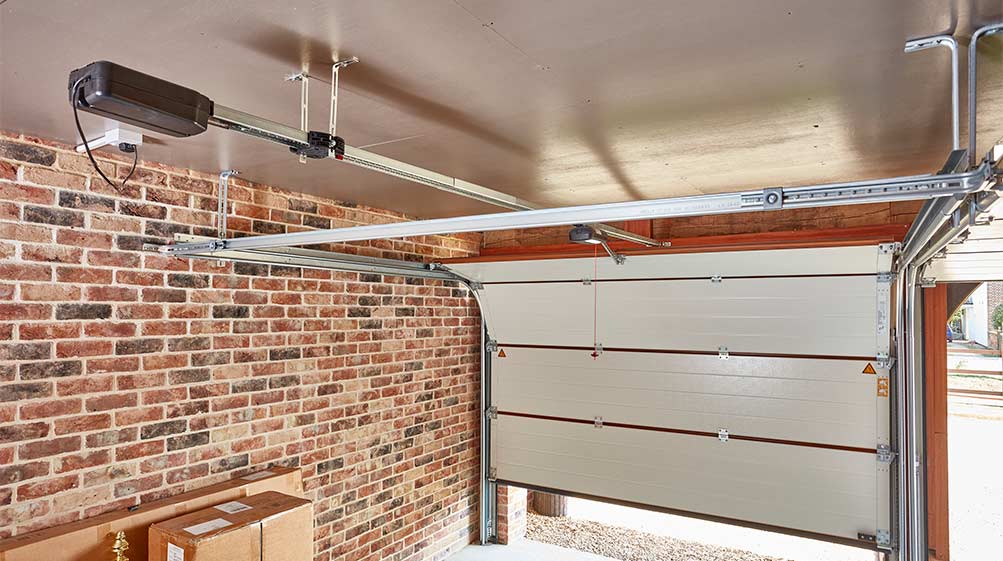
- 40mm insulated panels
- Full perimeter weather seals
- Glazed panel options
Sectional doors are the default on most newer Sandton housing and on the estates and clusters through Bryanston, Morningside and the northern suburbs. The door lifts in panels and runs back along the ceiling on tracks, which gives a quiet, well-sealed door and the fullest drive-through opening of any garage door type.
Why sectional garage doors suit Sandton properties
- They seal well, which matters on a garage that doubles as a store or a laundry.
- They are quiet when correctly balanced, which matters in a cluster where the garage is under a bedroom.
- Finish options are wide, so matching an estate scheme is straightforward.
- Panels are individually replaceable, so vehicle damage is a repair rather than a new door.
What a sectional garage door needs from the garage
Headroom above the opening and clear ceiling run behind it. If the garage does not have both, a sectional is the wrong product and a roll-up is the right one. We measure before recommending, and we would rather tell you at survey than fit a compromise.
Sectional garage doors and floor level
A large share of the sectional complaints we attend in Sandton are not door faults. The slab has settled or falls across the opening, so the door seals on one side and gaps on the other, and water comes in during a storm. That is corrected by re-levelling the tracks and fitting a profiled bottom seal, not by replacing the door.
Sectional garage door motors
Operator sized to the finished panel weight, with soft start and stop so the door is not driven into an uneven floor, travel limits set on commissioning and photocells fitted where children or vehicles share the opening. Insulated and timber-faced sectionals are considerably heavier than plain steel and need the operator specified accordingly.
Sectional garage doors in Sandton estates
Most Sandton estates set the profile and the colour, and several require approval before manufacture rather than before installation. Send us the specification with your enquiry and we get sign-off before anything is built.
Sectional garage door repairs
We repair any make, including doors we did not fit. Damaged panels, worn rollers and hinges, cables off the drum and drifting limits are the routine calls, and panel-level replacement means a knock rarely means a replacement door.
Get a quote for a sectional garage door in Sandton
Free survey, itemised written quotation covering the door, the operator and the installation, fixed price once approved, twelve-month workmanship warranty.
Common questions
About sectional garage doors
Around 300mm to 450mm of clear space above the lintel for a standard track, though low-headroom kits recover part of that. Measure to the ceiling or the nearest beam, whichever is lower, and send us the figure before you order anything.
The panels are hinged and run on rollers in a track rather than curling around a barrel, and the section joints seal against each other. On an insulated door the foam core also damps the drumming that makes a single-skin door boom.
Yes. Glazed panels can go into any section, most often the second row down so daylight comes in at eye level. Toughened, frosted and tinted glass are all available, and an aluminium-framed full-view door is a step further again.
They have more moving parts than a tip-up door — rollers, hinges, cables and springs — so an annual service matters more. In exchange the wear is spread across many small parts that are cheap to replace individually.
Yes, and they are the most common choice on newer Sandton housing and in the cluster developments. They seal well and run quietly when correctly balanced. Most estates specify profile and colour, so send us the scheme rules and we quote to them before anything is manufactured.
Related
Also worth a look
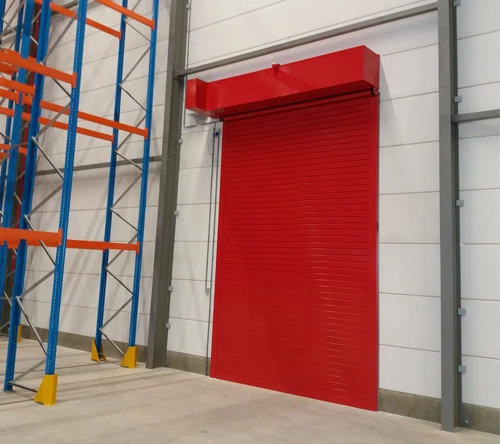
Fire-Rated Roller Shutter Doors
Basement compartments and plant rooms
Certified fire-rated shutters for parking compartments and plant rooms, supplied with drop-test certification for the building file.
- Fail-safe gravity descent, no power needed
- Fire panel integration and drop testing
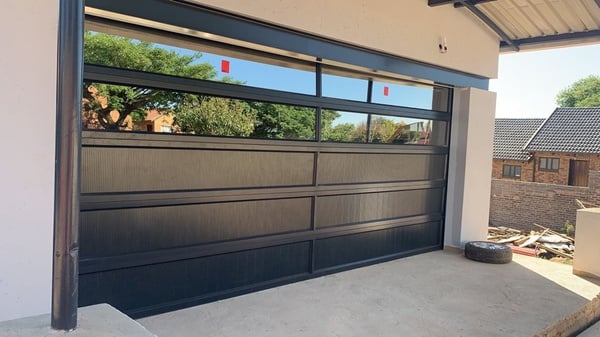
Aluminium Garage Doors
For coastal air and wide openings
Rust-free aluminium garage doors for coastal homes, wide double openings and full-view glazed designs. Powder-coated to any RAL, with stainless fixings throughout.
- Extruded aluminium, stainless fixings
- Powder-coated, anodised or woodgrain
- Sectional, tip-up or roll-up slat
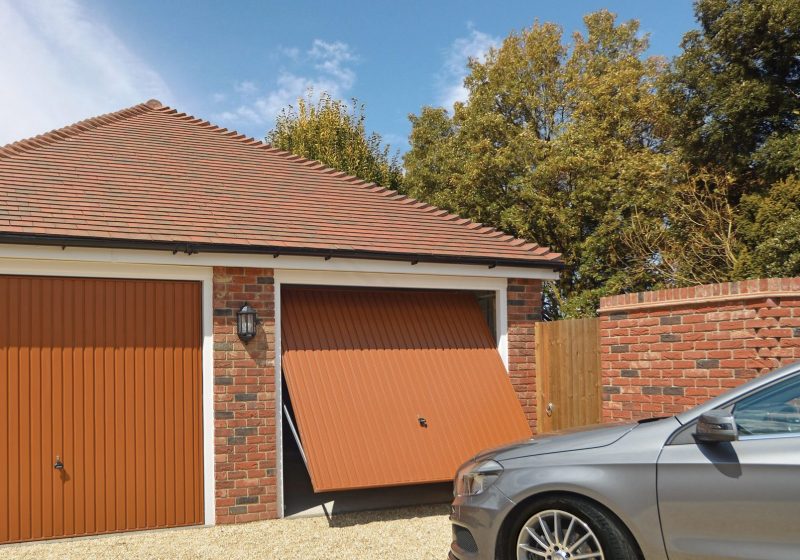
Tip-Up and Up-and-Over Garage Doors
Single-panel, spring balanced
A single rigid panel that tilts up and slides back overhead. Simple, robust, and still the most common door on older South African homes.
- One-piece steel or timber panel
- Counterbalance spring mechanism
- Motorisable with the right operator