
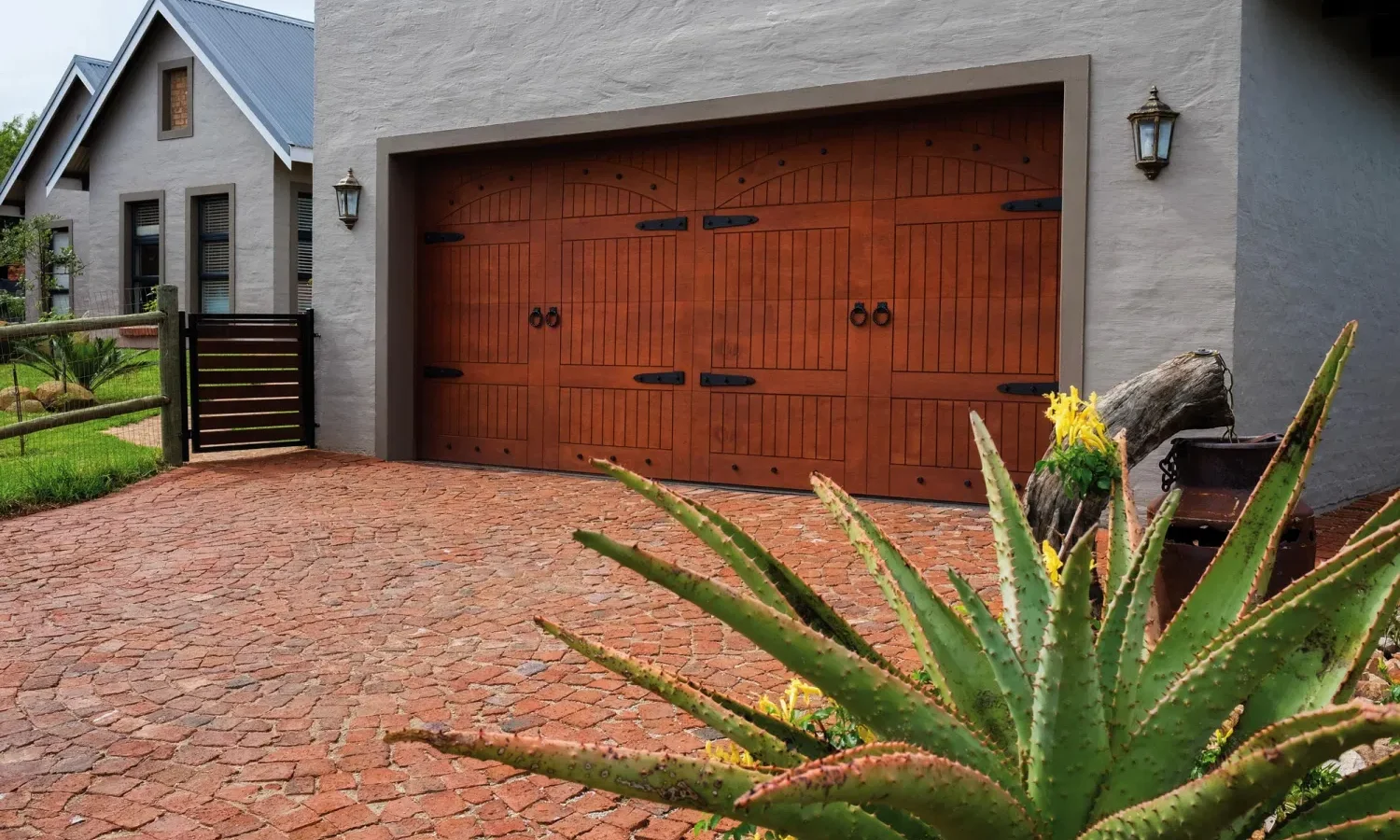
- Timber on a galvanised steel frame
- Sealed all six faces before hanging
- Tip-up or sectional mechanism
A timber garage door is chosen for how it makes the house look, and on the right Sandton property nothing else comes close. It is also the door type that most rewards being specified and maintained properly, and the one most often written off prematurely when it could have been restored.
Where wooden garage doors belong
- Character and period homes through Illovo, Hyde Park, Craighall and the older Bryanston streets.
- Properties where the garage is a prominent part of the street elevation.
- Estates with design guidelines that specify timber or a timber appearance.
Weight and specification of wooden garage doors
Timber doors are heavy, and that has consequences all the way through the installation. Springs must be rated for the finished door, not the previous one. The operator must be sized to the actual weight. Hardware and fixings must be adequate. A timber door hung on a motor sized for a steel one is the fastest way we know to destroy a good operator, and we see it regularly in Sandton.
Wooden garage doors and the Highveld climate
Sun and summer storms are hard on a finish. A west-facing Sandton elevation will fade and check faster than a sheltered one, and the bottom rail is where water sits and rot starts. We specify the finish for the exposure and tell you honestly what the maintenance cycle looks like, because a timber door that is never refinished will not last and it is fairer to say so before you buy.
Restoring rather than replacing a wooden garage door
If the frame is sound and the problem is sag, hardware or finish, a timber door is usually worth restoring. Rehanging, rebalancing, new hardware and a proper refinish costs a fraction of replacement and keeps a door that suits the house. We price restoration alongside replacement so you can compare, and on a well-made older door we will usually recommend keeping it.
Timber-look alternatives to wooden garage doors
Where the appearance matters but the maintenance does not appeal, foiled and powder-coated finishes have improved considerably and hold up far better on an exposed Sandton elevation. We will show you both and let you decide rather than steering you.
Get a quote for a wooden garage door in Sandton
Free survey, itemised written quotation covering the door, hardware, operator and finish, fixed price once approved, twelve-month workmanship warranty.
Common questions
About wooden garage doors
Meranti is the sensible all-round choice in South Africa: stable, takes stain evenly and reasonably priced. Cedar is lighter, which matters on a wide double door, and naturally insect-resistant. Saligna is beautiful but heavy. Pine only works under a deep overhang with disciplined recoating.
Look at it once a year. If the finish has gone matt or chalky at the bottom rail or the vertical edges, sand lightly and put two coats on. North- and west-facing doors in Gauteng need it more often than sheltered doors at the coast.
Usually because the back and the end grain were never sealed. Water goes in at the unsealed edges and the board moves. We seal all six faces on the bench before the door is hung, and build the timber onto a galvanised steel frame that carries the load.
No — timber cannot curl around a barrel. A wooden door runs as a tip-up panel or as a hinged sectional door. If you have no headroom for either, a woodgrain-finish aluminium door gives the same look on a roll-up mechanism.
They do if the finish is specified for the exposure and maintained. A west-facing Sandton elevation is hard on timber and the bottom rail is where water sits and rot starts. If your existing door has a sound frame, restoring it usually costs far less than replacing it.
Related
Also worth a look
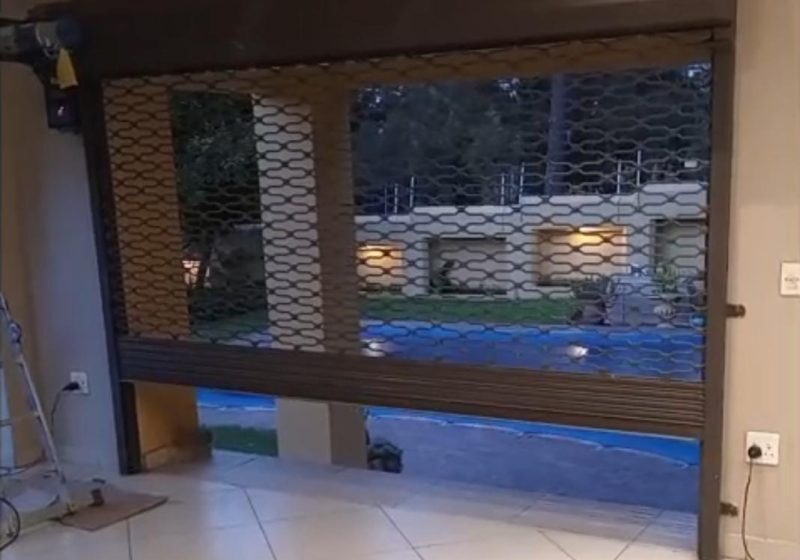
Perforated Roller Shutter Doors
Basement ventilation and retail display
Perforated curtains for basement bays that need airflow, and for shopfronts that stay visible after hours while the opening is secured.
- Punched galvanised slat, mixed options
- Openings to 6 000mm wide
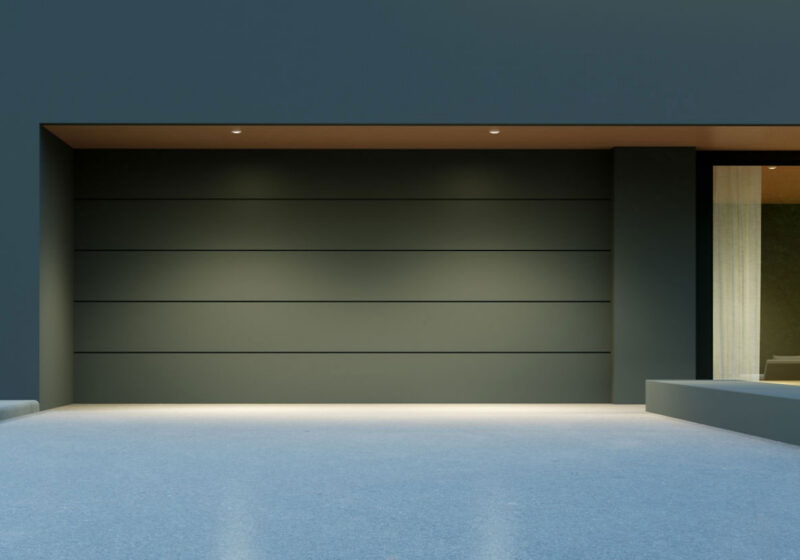
Steel Garage Doors
The workhorse, galvanised and coated
Galvanised steel garage doors in 0.5mm to 0.8mm sheet, Chromadek or powder-coated, built to your measured opening as roll-up, sectional or tip-up. Repairs on any make.
- 0.5mm to 0.8mm galvanised sheet
- Chromadek or powder-coated to any RAL
- Roll-up, sectional or tip-up
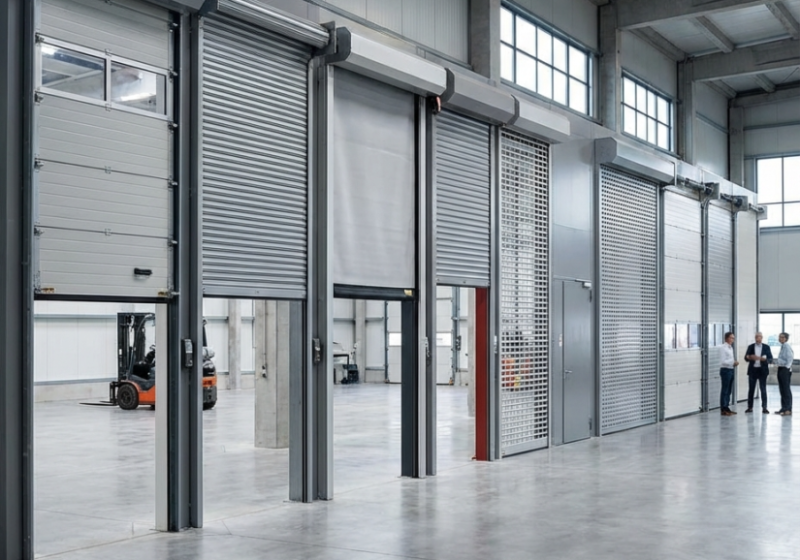
Galvanised Roller Shutter Doors
Hot-dip galvanised roller shutter doors that resist rust in coastal and washdown environments. Manufactured to your opening at our Sandton works.